




17-year-old Charlotte picks her favourite articles from the Human Rights section this year
What are human rights? One of Harbingers’ writers, Helena Bruździak, answered this question recently in her piece about this term, which is tossed around left to right. It’s also the name of our section.
In 2025, our writers covered conflicts, protests and crises from across the globe. They showcased individual voices and ongoing activism and interviewed more people than ever in the history of our magazine, both specialists and teenagers.
Through their work they achieved one thing in common – they maintained one of the most significant pillars of human rights advocacy: they created meaningful discourse.
Harbingers’ Weekly Brief
Subscribe to the Harbingers’ Weekly Brief, a newsletter written by the editorial board of Harbingers’ Magazine, the world’s youngest newsroom, delivered to your inbox every Monday morning.
![author_bio]()


Human rights as a concept relies on those who continue to engage with it, whether by highlighting concerns or sharing stories that would otherwise go unheard. This section aims to do more than relay facts or summarise events. Our writers have worked to contextualise, to question and to offer insights, helping readers not only understand what is happening, but why it’s important.
Reading, writing or editing the articles in this section caused me to pause and to think, something that we often forget to do in our fast-paced world. So, I would like to bring your attention to five pieces (in no particular order) from the Human Rights section that will, hopefully, have the same effect on you.
Klaudia Bacza travelled to a bombed school in Lviv, Ukraine, to interview the vice principal, Lyudmila Sakovich. In their conversation, they discussed the challenge of making school feel like a safe space despite students sometimes having to spend days in bomb shelters. Klaudia underscores how educators such as Lyudmila are key to shaping younger generations through resilience and dedication to their careers.
Kexin Shi explains the legal differences between refugees, asylum seekers and migrants. She stresses how despite often being used interchangeably, these terms have very different meanings. This piece is particularly relevant to the Human Rights section as many stories revolve around migration and refugee rights.
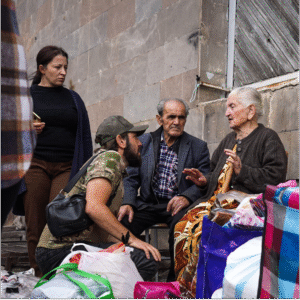
Nare Arushanyan from the Armenian Newsroom interviews a human rights specialist in Armenia to break down the legal aftermath of Azerbaijan’s occupation of Nagorno-Karabakh (also known as Artsakh). Nare highlights that beyond the physical and emotional effects of displacement, thousands need to deal with confusing bureaucracy and ambiguous citizenship.
In early 2025, I surveyed 74 Gen Zers on their views of feminism and what it signifies to them. The piece highlights how even within one generation, we are incredibly divided in our perceptions of topics as prevalent as feminism. It delves into the causes of this divide, which range from social media polarisation to the rise of anti-intellectualism.
Finally, we members of the Editorial Board shared our views on Pride Month and sentiments behind it from our generation. This piece delves into the origins of celebration and the historical portrayal of the LGBTQ+ community in the media. We take a closer look at our society’s perceptions as well as public support and visibility, and finally address views from beyond the US.

© 2026 The Oxford School for the Future