Harbingers’ Magazine is a weekly online current affairs magazine written and edited by teenagers worldwide.
harbinger | noun
har·bin·ger | \ˈhär-bən-jər\
1. one that initiates a major change: a person or thing that originates or helps open up a new activity, method, or technology; pioneer.
2. something that foreshadows a future event : something that gives an anticipatory sign of what is to come.
We and our partners may store and access personal data such as cookies, device identifiers or other similar technologies on your device and process such data to personalise content and ads, provide social media features and analyse our traffic.
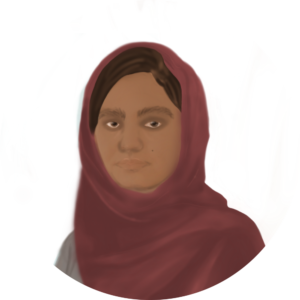
On 9 January, a 22-year-old woman in Herat, Khadija Ahmadzada, was detainedby the Taliban for not wearing a proper hijab, allowing men and women to mix in the same space, and for playing music.
Ahmadzada was reportedly running a gym for girls to learn self-defence, one of the few spaces where young women could build confidence and strength.
She was sentenced to 13 days in prison. Her case was then referred to the Supreme Court, which announced she would be released on 22 January.
Journalist Nazera Rashidi, 24, was also arrested by the Taliban in Kunduz, on 6 January. She was released after almost a month in custody. No charges were filed against her, though her family believe it was to do with her work. Rashidi was the sole breadwinner, which not only silenced her family but also created fear in the whole country.
Khadija’s disappearance and sudden release is a familiar pattern used against activists, especially women who break the social rules and speak publicly. Many reports and news show that these kinds of arrests have increased under Taliban rule as a silent but powerful way to control women.
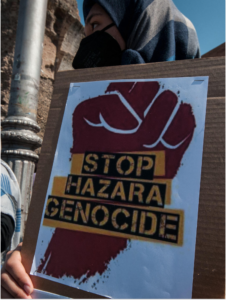
Khadija Ahmadzada is also a member of the Hazara community, the most discriminated ethnic minority group in Afghanistan, who have faced violence for many decades. Hazaras follow the Shi’a branch of Islam, whereas most people in Afghanistan are Sunni Muslims.
During the reign of Amir Abdul Rahman (1880–1901), Hazaras suffered severe social, political and economic repression, culminating in a holy war against the Hazara people. The Taliban continued this genocidal campaign, especially against women. In 2001, they also destroyed the ancient and giant Buddha statuesin the Bamiyan valley, an act of cultural vandalism against the Hazara that attracted worldwide condemnation.
As a Hazara woman, Khadija Ahmadzada was targeted not just for her gender but also for her ethnic identity.
Genocide is not only about mass killing, according to some human rights groups and scholars, it also includes destroying leadership, repressing future generations and silencing women. By targeting young women such as Khadija, the danger is not only physical harm, but also erasing strength and hope from the Hazara community in Afghanistan.
The Taliban describe these arrests as criminal charges, but many international observers reject these accusations.
When athletes are pushed out of sports and journalists are silenced, the country loses truth and strength. Ignoring these cases allows the cycle to continue, and that’s why women in Afghanistan have protested all these attacks, despite facing arrests and threats.
The whole world must understand that silencing women is a long-term strategy. Afghan women will keep fighting and the global community should help them.
Cases like those of Khadija and Nazera are not random. These women are part of a pattern aimed at silencing women and weakening community voices even further.
Despite accusations, arrests and ongoing dangers, the Afghanistani people will continue to protest and fight for human rights to remind the world that recognition and accountability for abuses are urgently needed.
Harbingers’ Weekly Brief
Subscribe to the Harbingers’ Weekly Brief, a newsletter written by the editorial board of Harbingers’ Magazine, the world’s youngest newsroom, delivered to your inbox every Monday morning.
See you on Monday!
Ooops - please try again.
As a journalism student, I believe these stories must be told, even if forces try to erase them. The international community can no longer look away. We should demand the unconditional release of all women detained in Afghanistan, and also call for global recognition of the abuses against all Hazara people.
When we speak out and demand justice, we protect individuals and represent humanity.
Born in 2010, Elaha is interested in psychology and motivation, and hopes to study psychology in the future. For Harbingers’ Magazine, she shares her knowledge and perspectives with the aim of inspiring and supporting young readers. She also writes about her personal experiences and reflections on how the mind works.
In her free time, Elaha enjoys journalling and exploring topics related to psychology. She speaks Dari and English.
🌍 Join the World's Youngest Newsroom—Create a Free Account
Sign up to save your favourite articles, get personalised recommendations, and stay informed about stories that Gen Z worldwide actually care about. Plus, subscribe to our newsletter for the latest stories delivered straight to your inbox. 📲
We use cookies to ensure that we give you the best experience on our website. If you continue to use this site we will assume that you are happy with it.