



17-year-old Lukas looks at how developing technologies could mitigate the climate crisis
As the climate crisis deepens and climate anxiety soars, so do the number of possible and sometimes controversial solutions. One such solution, which has been under heavy development recently, is geoengineering.
Broadly, geoengineering uses high-tech, industrial methods to decrease the heating effect the sun has on our planet and to extract carbon dioxide from the atmosphere. The aim is to reduce the scale of global warming, but it can’t stop it completely.
To understand geoengineering, we first need to be familiar with the greenhouse effect: the process by which greenhouse gases such as carbon dioxide and methane trap the sun’s long-wave radiation within our atmosphere.
Harbingers’ Weekly Brief
Subscribe to the Harbingers’ Weekly Brief, a newsletter written by the editorial board of Harbingers’ Magazine, the world’s youngest newsroom, delivered to your inbox every Monday morning.
![slide image]()
![author_bio]()


This is a natural process that maintains living conditions on Earth, but the increased burning of fossil fuels since 1880 (the pre-industrial era) have caused increased emissions of greenhouse gases. This means that the global surface temperature has risen by 1.55°C, resulting in, for example, more forest fires in Australia, the melting of polar ice caps and rising sea levels.
This article breaks down the science, implications and future of geoengineering as a strategy to tackle global warming. There are two main methods: solar radiation modification (SRM) and carbon dioxide removal (CDR).
Solar radiation modification
SRM strategies involve deliberate, large-scale efforts to deflect solar light from the Earth, so that less heat is trapped in the first place.

This can be observed naturally through something called the albedo effect. Albedo is the reflective property of materials. Light-coloured objects have a much higher albedo effect compared to other colours, which is why wearing white clothes will make you feel cooler in hot weather. Snow and ice can reflect up to 85% of the sun’s energy.
Another way to increase reflectivity is to spread small particles – or aerosols – into the atmosphere, which is what SRM involves.
We can see similar effects of cooling from natural causes. For instance, global temperatures fell by 0.5°C for 18–36 months after the eruption of Mount Pinatubo in the Philippines in 1991. The ash cloud resulting from the eruption acted as an aerosol, decreasing the incoming light to our planet.
One problem with SRM is that it does not reduce the amount of carbon dioxide in the air, it simply postpones the inevitable heating effect of the Earth. Also, aerosols do not remain in the atmosphere for longer than three days, which means that they need to be constantly replenished.
Many critics worry that spreading chemicals into the atmosphere will cause harm to plants and animals, which is why these methods are still in the testing phase.
Another problem with carbon dioxide in the atmosphere is that it dissolves into the ocean, increasing its acidity. This process causes coral bleaching, which destroys ecosystems responsible for holding 25% of all marine life.
Moreover, many communities rely on coral reefs for food, protection from natural disasters and incomes through tourism. When we endanger such habitats, we also have a widespread impact on millions of humans too.
Carbon dioxide removal
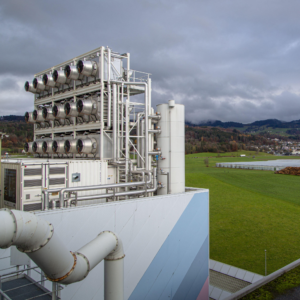
CDR is another way of mitigating the impacts of the greenhouse effect through the direct extraction of carbon dioxide from the atmosphere.
The idea is that large-scale machinery is used to capture carbon dioxide in the air, liquify it and store it underground. This more direct approach tackles the root cause of climate change.
The company behind a direct air capture (DAC) plant in Iceland claimsthat it can extract 36,000 metric tons of carbon dioxide per year – although that figure needs to be in the billions to have a significant impact on decreasing the greenhouse effect.
However, if this strategy is upscaled to an international level, it could have a widespread impact on making the planet carbon-neutral.
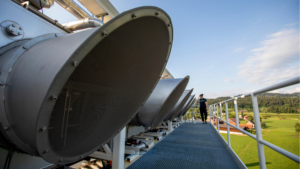
But CDR is not a perfectly tailored solution for the climate crisis. Currently, DAC machines are extremely unprofitable.Carbon-sucking machines require a large amount of metalssuch as copper and iron, which require transportation, vast manufacturing plants and a lot of energy. All these factors come into play when climate scientists decide on which strategies to prioritise.
Controversies
Despite its potential benefits, many people are very sceptical about geoengineering. They argue that relying on technology to offset climate change would undermine support for existing climate change policies, and actually increase risky behaviour. It would also discourage governments from reducing their greenhouse gas emissions.
Furthermore, we are yet to fully understand all the potential risks associated with strategies such as SRM. For example, injecting particles into the atmosphere has been linked to disturbing rainfall patterns, which could put water security at risk in some parts of the world. In addition, there have been reports regarding the negative effects of particles on respiratory health.
Lastly, there is a debate about who should be responsible for controlling our climate. Without collective agreement, geoengineering strategies would lose effectiveness on a global scale. Experts say that we could use it to partially offset our detrimental impact on the planet, but without becoming overly dependent on this technology.

© 2026 The Oxford School for the Future