


17-year-old Mutaz interviews an interior design expert about young people’s design preferences
When you walk into a Gen Z bedroom in Egypt today, you may notice a shift. Traditional interiors often featured heavier wooden furniture, ornate detailing and dark tones, but many young people are opting for lighter, simpler and, in some cases, more technologically integrated spaces.
“Gen Z is more practical and more minimalist,” Dr Salma Abou Taleb, an interior designer and lecturer at the University of Alexandria, told Harbingers’ Magazine.
Harbingers’ Weekly Brief
Subscribe to the Harbingers’ Weekly Brief, a newsletter written by the editorial board of Harbingers’ Magazine, the world’s youngest newsroom, delivered to your inbox every Monday morning.
![slide image]()
![author_bio]()
![author_bio]()


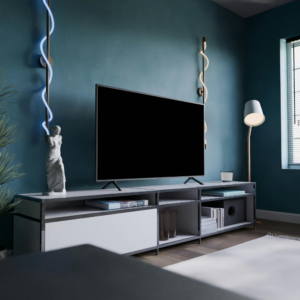
Minimalism has become a defining influence. Clean layouts, neutral tones and space-saving furniture are increasingly popular, particularly in small urban houses. Brands such as IKEA appeal to young people for their affordability and modular designs, which can make limited spaces feel more open. It is also important to create a relaxing atmosphere, particularly for those who spend long hours on screens.
Dr Taleb also noted that Gen Z “like to multitask”, and technology plays a central role in this. A 2024 study found that Gen Z individuals in the US own on average 13 household technology devices. Many Gen Z bedrooms now include smart assistants, such as Siri or Alexa, reflecting a generation that has grown up surrounded by digital tools.
Lighting has become another key feature. In particular, LED and neon lightsare a major trend.
“Focal points have become more significant than ever with Gen Z,” said Dr Taleb. She explained that the rise of social media and “selfie culture” has encouraged more young people to design visually striking corners of their rooms that work well on camera.
At the same time, environmental awareness is shaping design choices. In the Middle East, a region facing growing climate challenges, some young people are turning towards biophilic design, which incorporates natural elements such as plants and sunlight into indoor spaces.
View this post on Instagram
Dr Taleb emphasised that many of her students explore these ideas in their work, seeking to create healthier and more sustainable environments. A 2015 survey of 7,600 office workers in 16 countries, found that biophilic design can boost productivity by 6% and creativity by up to 15%.
Yet despite these global influences, tradition remains important.
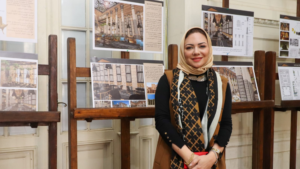
“I don’t see Gen Z people abandoning their traditions,” said Dr Taleb. “They are reshaping their lives by adding technology and improvements to what already exists.” Looking ahead, she believes digital tools could further transform the field, including the use of AI to generate interior design concepts.
For now, Egyptian Gen Zers appear to blend technology with natural elements and cultural influences, creating spaces that reflect both global trends and local identity.

Edited by:

© 2026 The Oxford School for the Future